

If you’re weighing small items with a need for precision, go for a bench or analytical scale. For large industrial or commercial operations, a platform scale offers the best balance between capacity, durability, and versatility.
Best Weighing Scale types by Industry at Accurate Weighing Scales LTD Kampala Uganda
1. Logistics & Warehousing
- Best Choice: Platform Scales, Floor Scales
- Why: Perfect for weighing boxes, pallets, and freight. Platform scales are easy to integrate into conveyor or packing systems.
2. Retail & Grocery
- Best Choice: Bench Scales, Price Computing Scales
- Why: Used for weighing fresh produce, meat, or deli items. Fast and customer-facing.
3. Manufacturing & Industrial
- Best Choice: Platform Scales, Crane Scales, Floor Scales
- Why: Ideal for raw materials, inventory control, and heavy-duty weighing.
4. Agriculture
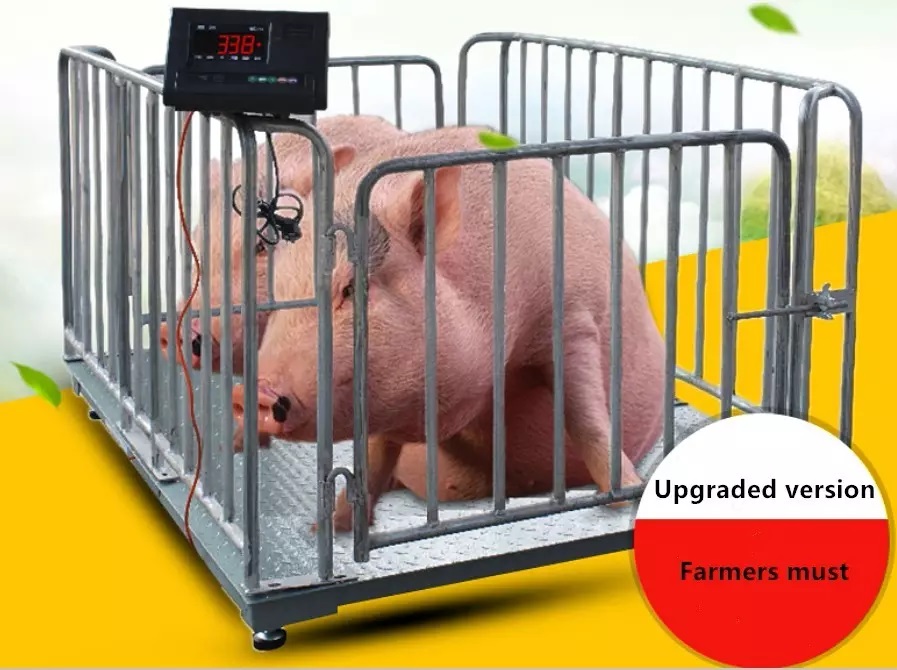
- Best Choice: Platform Scales, Livestock Scales, Truck Weighbridges
- Why: For weighing grain, feed, fertilizer, or livestock. Platform scales are often modified with cages or ramps.
5. Food Processing
- Best Choice: Waterproof Platform Scales, Bench Scales
- Why: For portioning, batching, and sanitation-critical environments.
6. Laboratories & Pharma
- Best Choice: Precision Scales, Analytical Scales
- Why: Microgram-level accuracy is required. Platform scales are too coarse.
7. Construction
- Best Choice: Crane Scales, Platform Scales
- Why: Heavy materials like steel beams or cement bags are best weighed using suspended or large flatbed platforms.

Use platform weighing scales when your industry deals with medium to large, heavy items that require stable, flat-surface weighing. For smaller items or extreme accuracy, specialized scales like bench or precision scales are better suited.
Comparing Platform Weighing Scales with Other Types
| Type of Scale | Description | Typical Capacity | Best For | Pros | Cons |
| Platform Scale | Flat surface scale with load cells underneath | 30 kg to several tons | Industrial use, warehouses, shipping | Durable, handles bulky loads, highly accurate | Bulky, more expensive |
| Bench Scale | Smaller scale typically used on countertops | 1–60 kg | Retail, food prep, light manufacturing | Compact, affordable, easy to use | Not suitable for large or heavy items |
| Floor Scale | Heavy-duty scale placed on the ground for large items | 500 kg to 10+ tons | Pallets, crates, bulk weighing | High capacity, easy to load with forklifts | Requires floor space and setup |
| Pocket Scale | Tiny digital scale for lightweight items | Up to 500 g | Jewelry, lab, precision weighing | Highly portable, inexpensive | Very limited capacity |
| Crane Scale | Suspended scale that weighs items lifted by crane | 100 kg to 20+ tons | Industrial lifting, construction | Can weigh suspended loads, space-saving | Safety risk if not used properly |
| Analytical/Precision Scale | High-precision lab scale | mg to 1–2 kg | Laboratories, pharmaceuticals | Extremely precise | Delicate, expensive, low capacity |
| Truck Weighbridge | Large scale installed in the ground for trucks | 10–100+ tons | Freight, logistics, agriculture | Handles full vehicle weight | Requires installation, very costly |
Key Differences
- Capacity: Platform scales fill the mid-to-high-capacity range; more than bench or pocket scales, but usually less than truck scales.
- Portability: Bench and pocket scales are portable; platform and floor scales are semi-portable to fixed.
- Precision: Analytical and bench scales offer more precision, while platform and floor scales focus on bulk accuracy.
- Applications: Platform scales are ideal for heavy, wide, or awkwardly shaped items that can’t be weighed on smaller surfaces.